1. Introduction to Epping Industria
Epping Industria is one of Cape Town’s most established and strategically important industrial areas. For more than 70 years, it has played a central role in the city’s manufacturing, warehousing, logistics, distribution and commercial sectors. Today, it remains a vital component of Cape Town’s industrial economy. Epping Industria, Cape Town: The Complete Guide provides a comprehensive overview of this significant industrial node.
Most importantly, Epping’s greatest advantage is its strategic location. Situated about 12 kilometres from Cape Town’s CBD, the area offers direct access to the N1 and N2 highways, with the M5, M7, and other major arterial routes also easily accessible. Businesses also benefit from convenient access to Cape Town International Airport and the Port of Cape Town. As a result, Epping is particularly well-suited to companies that rely on the efficient movement of goods, employees, and customers.
Over the decades, Epping has also evolved significantly from its industrial beginnings in the late 1940s. Initially established as a developing industrial precinct, it has since grown into a large and diverse business district. Today, the area accommodates a broad range of businesses, including manufacturers, wholesalers, distributors, logistics operators, food processors, engineering companies and automotive-related businesses, as well as numerous other industrial and commercial enterprises.
As a result, Epping Industria combines an established industrial environment with excellent connectivity and a diverse business base. This combination continues to make it an important and highly sought-after industrial location within the Cape Town metropolitan area.
Epping Industria’s Appeal
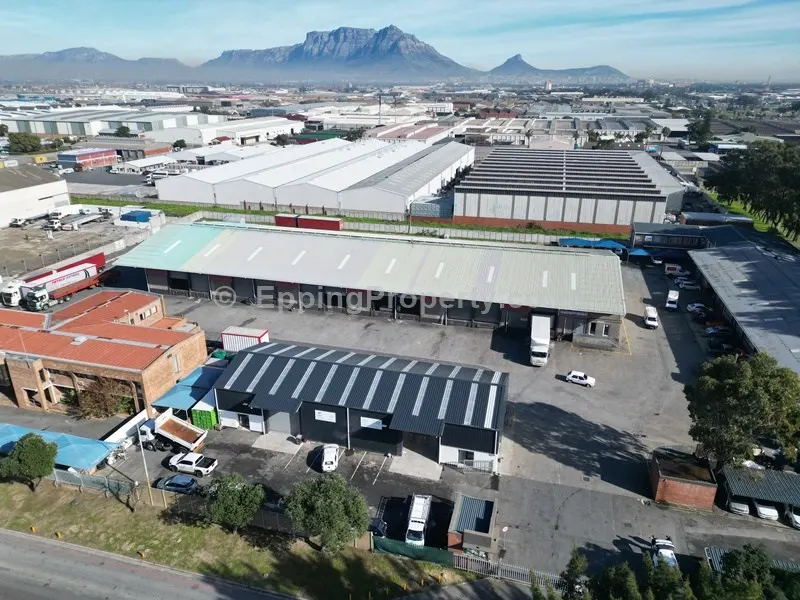
For industrial property users, however, Epping’s appeal extends far beyond its strategic location. The area offers an established industrial environment, a substantial labour pool, extensive road infrastructure and a diverse range of properties. These range from smaller industrial units to large-scale manufacturing plants, warehouses and distribution facilities. Moreover, because Epping has developed over many decades, businesses can draw on an established network of suppliers, customers, service providers and supporting industries.
As a result, Epping is far more than a location where businesses simply rent or own warehouses and factories. Instead, it functions as a well-established industrial ecosystem in which businesses operate alongside and benefit from a wide range of complementary industries and services. In turn, this concentration of businesses strengthens Epping’s role within Cape Town’s broader economy.
This guide therefore provides a comprehensive overview of Epping Industria. It examines the area’s history and development, while also considering its transport infrastructure, zoning, truck access, security, fibre connectivity, electricity supply and labour availability. It also looks at Epping’s proximity to both Cape Town International Airport and the Port of Cape Town.
The guide also examines the industrial property market in greater detail. In particular, it considers rental trends, vacancy levels, ownership patterns and the major companies operating within the area. Together, these factors provide a clearer picture of how Epping’s industrial property market functions and why businesses continue to choose the area.
Whether you are considering renting or buying an industrial property, investing in Epping, relocating your business, or simply seeking to understand one of Cape Town’s most important industrial nodes, this guide provides a practical, detailed overview. Ultimately, it explains why Epping Industria is such an important and enduring industrial location in the Western Cape.
2. History of Epping
Epping Industria has a long, distinctive history that reflects Cape Town’s growth from a relatively compact city into the major commercial and industrial centre it is today.
Furthermore, Epping’s origins as an industrial area date back to the late 1940s, when the Cape Town City Council began developing land for industrial purposes. At the time, Cape Town was experiencing increasing pressure for industrial land closer to the city, and Epping offered an important opportunity to establish a large-scale industrial precinct with good access to the developing road network.
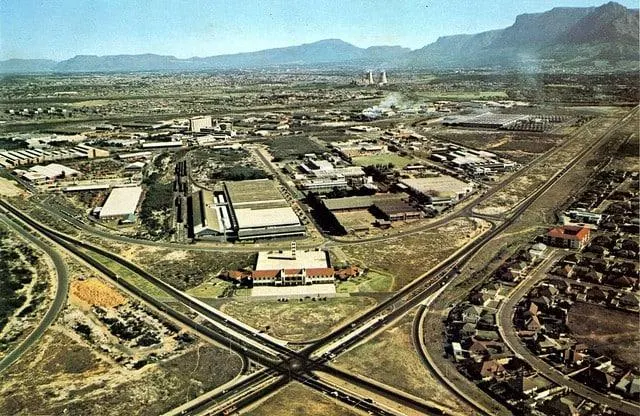
Furthermore, the area was initially known as Epping Forest, and its development formed part of a broader post-war expansion of Cape Town’s industrial economy. The location was particularly suitable for industry because it was relatively close to the city yet offered larger tracts of land than were available in the older industrial areas near the CBD.
From motor racing to industry
One of the more unusual chapters in Epping’s history is its association with motor racing.
Before Epping became the major industrial precinct it is today, Gunners Circle served as a motor-racing circuit. The first race was held in January 1951, using the roads around the developing Epping area.
Motor racing continued at Gunners Circle until 1958. By then, industrial development was gathering momentum, and the demands of a growing industrial area eventually ended racing.
The old circuit is an interesting reminder of just how dramatically the area has changed. Roads now heavily used by delivery vehicles, trucks, and commuters once formed part of a motor-racing circuit on the outskirts of Cape Town.
A major industrial centre
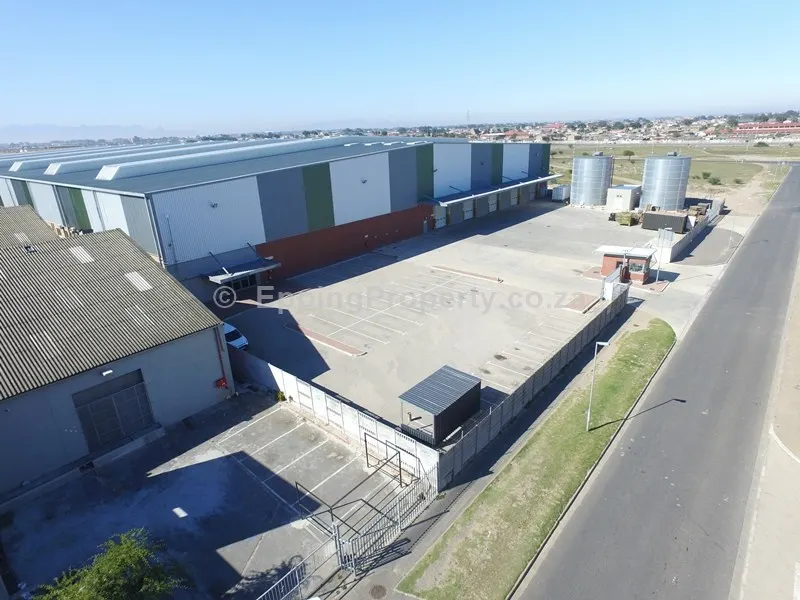
By the late twentieth century, Epping had developed into one of the largest concentrations of industrial activity in Cape Town.
Its businesses became increasingly diverse. Manufacturing remained an important component, but the area also attracted wholesalers, distributors, transport companies, food-processing businesses, engineering operations, building-material suppliers and other industrial users.
The development of Epping 1 and Epping 2 created an extensive industrial precinct rather than a collection of isolated factories. Over time, the area developed its own network of industrial streets, commercial services and supporting businesses.
This scale created an important advantage: companies could locate close to suppliers, customers, transport operators and other businesses serving the industrial economy.
The importance of location
Perhaps the most important feature of Epping’s history is that the fundamental reason for its original development remains relevant today.
Epping was established because Cape Town needed accessible industrial land. Its location let businesses operate close to the city while benefiting from larger sites and better access for industrial vehicles.
Today, that same location provides access to Cape Town’s major arterial roads, the N1 and N2, Cape Town International Airport, the Port of Cape Town and a large metropolitan workforce.
The industrial landscape around Epping has changed enormously since the first businesses arrived, but its underlying locational advantages have proved remarkably durable.
Epping today
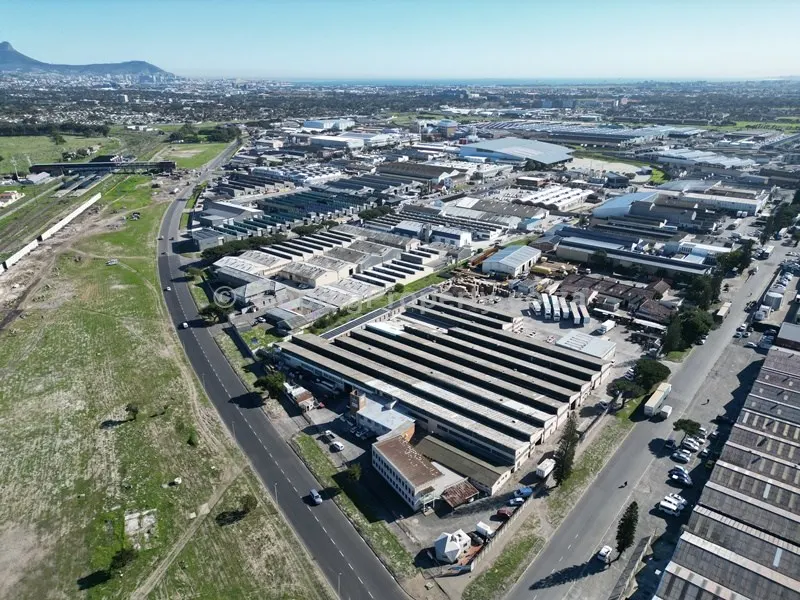
More than seven decades after its establishment, Epping Industria remains one of Cape Town’s most significant industrial areas.
It is no longer an industrial precinct on the edge of a growing city. It is now situated within the developed metropolitan area and serves as an important link among Cape Town’s residential, commercial, manufacturing, logistics, and transport networks.
The area’s history helps explain why Epping remains such a substantial industrial property market today. Its extensive road network, established infrastructure, large number of businesses and long-standing industrial zoning are the result of decades of development.
For property investors and occupiers, this history is more than simply interesting background. It explains one of Epping’s most valuable characteristics: an established industrial ecosystem that has evolved for more than 70 years.
That long history is one reason Epping Industria continues to compete successfully with newer industrial developments elsewhere in the Cape Town metropolitan area.
3. Why Epping became Cape Town’s industrial heart
Epping Industria did not become one of Cape Town’s major industrial centres by accident. Its success largely resulted from a combination of location, available land, transport infrastructure, access to labour, and proximity to the city’s major economic and logistics networks.
When Epping began developing as an industrial area in the late 1940s, Cape Town was expanding rapidly. Established industrial areas closer to the city centre were becoming increasingly constrained, while businesses needed larger sites for factories, warehouses, yards and distribution operations.
Epping offered a solution.
A strategic location
Epping’s success has always depended on its location.
In addition, Epping sits between Cape Town’s northern and southern suburbs and is relatively close to the CBD. It is also close to several of the metropolitan area’s major transport corridors, giving businesses access to the wider Cape Town market and national road networks.
For an industrial business, this connectivity is critical.
Raw materials need to reach factories. Finished products need to reach customers. Trucks need to move between warehouses, suppliers, retailers, ports and distribution centres. Employees need to reach their workplaces.
Epping’s location allows all of these movements to take place from a single, established industrial node.
Its proximity to the N1 and N2 is particularly important, while connections to routes such as the M5, M7 and R300 provide access to different parts of the metropolitan area and beyond.
This gives Epping an unusual advantage: a business can operate from a relatively central industrial location without being confined to a single part of Cape Town.
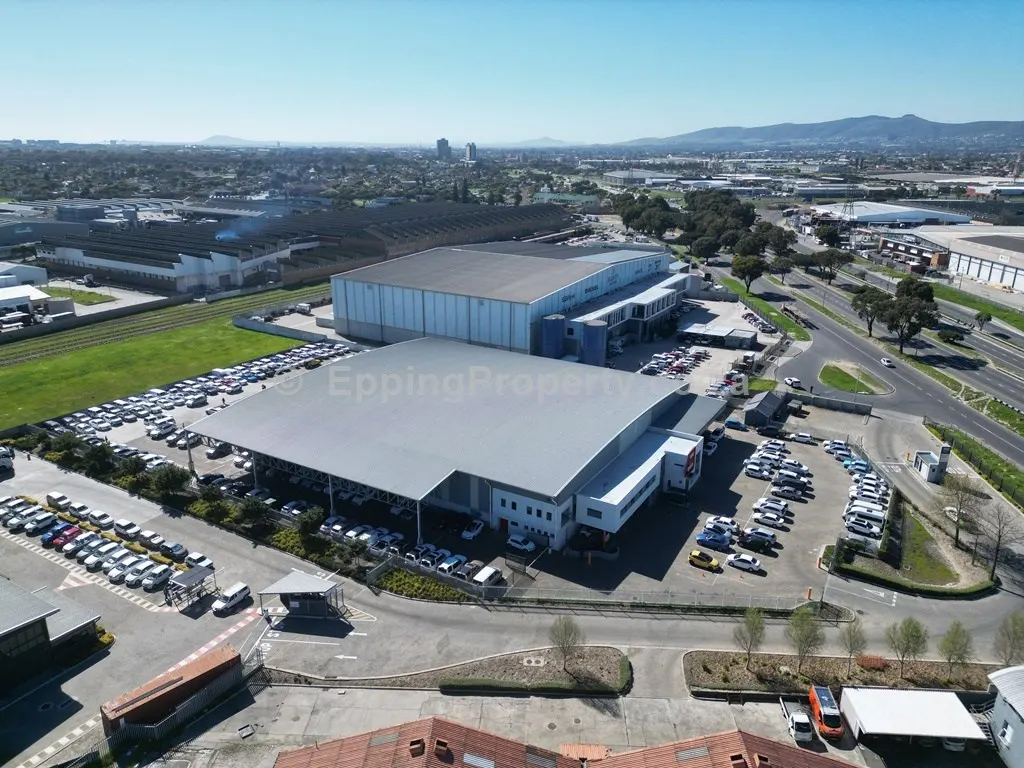
An established industrial ecosystem
Perhaps Epping’s greatest advantage today is something that could not have been created overnight: its established industrial ecosystem.
After more than 70 years of development, Epping is home to hundreds of businesses operating across a wide range of sectors.
Manufacturers operate alongside wholesalers. Logistics companies operate alongside packaging businesses. Engineering companies, food processors, building-material suppliers, transport operators and other specialist businesses all form part of the wider industrial economy.
This creates a network effect.
Businesses often benefit from being close to suppliers, customers, contractors and service providers. Employees become familiar with the area. Transport operators understand the roads. Industrial property owners and agents understand the market. Contractors and maintenance companies operate locally.
The longer an industrial precinct exists, the more valuable this ecosystem can become.
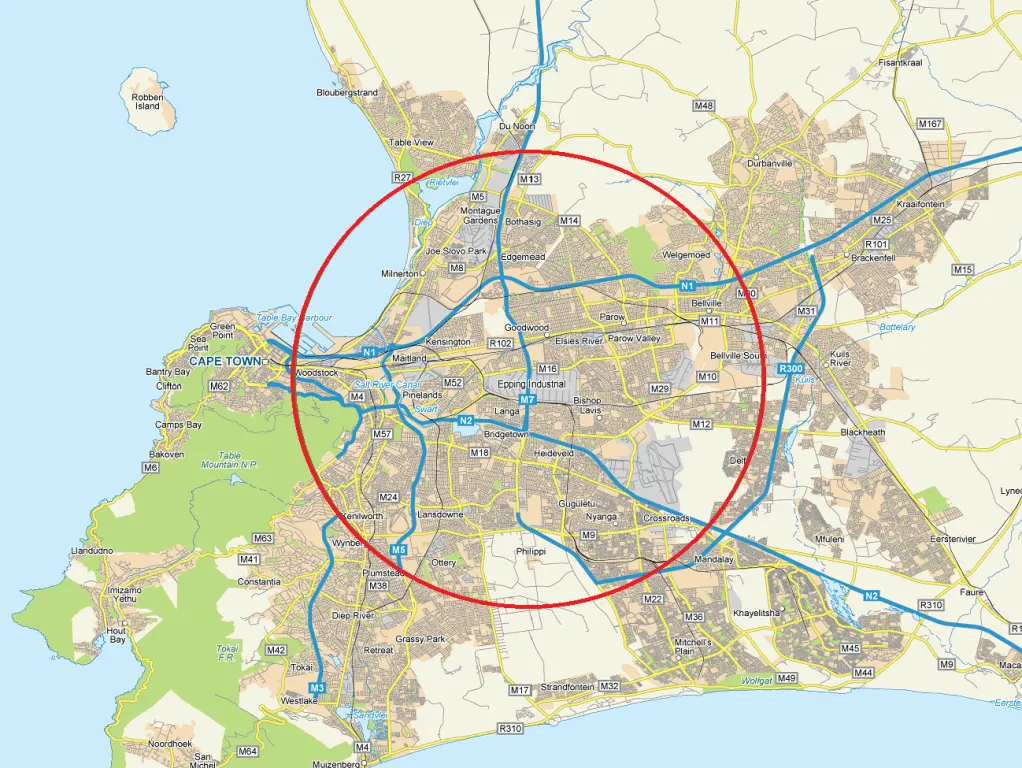
4. Location map
5. Transport infrastructure
One of Epping Industria’s greatest competitive advantages is its exceptional transport infrastructure. Strategically located within Cape Town’s road network, Epping gives businesses convenient access to several key transport routes. The N1 and N2 national highways run to the north and south, respectively, while the M7/Jakes Gerwel Drive runs directly through the industrial area. In addition, Viking Way and Gunners Circle provide important internal routes and connect Epping with surrounding industrial precincts.
For industrial businesses, this connectivity is particularly valuable. Manufacturers, wholesalers, distributors and logistics operators rely on the efficient movement of trucks, employees and goods every day. Consequently, Epping’s extensive road network can help businesses reduce travel times, streamline distribution and maintain reliable access to customers and suppliers. Moreover, direct connections to major highways allow companies to move goods efficiently across Cape Town and beyond.
Furthermore, the City of Cape Town identifies the M7/Jakes Gerwel Drive as a key route through Epping, providing convenient connections to both the N1 and N2. The area also benefits from rail, bus and taxi services. As a result, businesses can access a substantial workforce from across Cape Town while offering employees a range of public transport options.
Overall, Epping’s combination of major roads and public transport connections strengthens its position as a strategically located industrial node. More importantly, these connections support the daily movement of people, products and freight that keeps Epping’s diverse industrial economy operating efficiently.
Click here to see a map of Epping Industria
a. N1
The N1 is one of Cape Town’s principal national highways and provides Epping businesses with direct access to the northern suburbs and the broader Western Cape road network.
For industrial occupiers, the N1 is particularly valuable for businesses distributing goods northwards from Cape Town. It provides connections towards Bellville, Brackenfell, Paarl and Worcester and ultimately forms part of the national road network serving the interior of South Africa.
Epping’s position relative to the N1 means businesses do not need to operate from a peripheral logistics node to access a major national route.
The N1 is also important for businesses whose customers and suppliers are spread across Cape Town. From Epping, trucks can move north towards the northern industrial areas or southwards through the metropolitan road network without having to negotiate the CBD.
The combination of N1, N2, and M7 is therefore one of the fundamental reasons Epping has developed into such an important distribution and manufacturing location.
b. N2
The N2 provides Epping with its principal east-west connection towards Cape Town International Airport and the southern and eastern parts of the metropolitan area.
For Epping businesses, this is particularly significant because the N2 provides a direct strategic connection towards the airport, Somerset West, Stellenbosch and the wider Overberg and Garden Route corridors.
The N2 also provides an important link for businesses moving goods between Epping and Cape Town’s southern suburbs.
Together, the N1 and N2 effectively place Epping between two of Cape Town’s most important national highways. This is one of the area’s defining characteristics: an industrial business can be close to the centre of Cape Town while retaining efficient access to the national road network.
c. M7/ Jakes Gerwel Drive
If the N1 and N2 provide Epping with its wider metropolitan and regional connectivity, Jakes Gerwel Drive is arguably the most important road within the Epping transport system itself.
The road is designated the M7 and was formerly known as Vanguard Drive. It runs north-south through Cape Town, connecting the N1/N7 interchange in the north with the N2, then continues southwards through the Cape Flats towards the R300.
Within Epping, Jakes Gerwel Drive effectively divides the industrial area and provides a major north-south movement corridor. The City of Cape Town specifically identifies the M7 as the road dividing Epping Industrial and notes its convenient location relative to both the N1 and N2.
Furthermore, Jakes Gerwel Drive’s strategic importance extends beyond Epping. The City describes it as a major link between the N1 and N2, connecting the large industrial areas around Epping’s Gunners Circle and Bofors Circle to these major arterial routes.
This makes Jakes Gerwel Drive particularly important to logistics and distribution businesses.
A truck leaving an Epping warehouse can access a major north-south arterial without first travelling through residential streets or the CBD. The M7 can connect to the N1, N2, N7, and R300 networks.
The road is therefore a principal reason Epping can function as a central distribution location.
d. Viking Way
Viking Way is another important arterial serving Epping and the surrounding industrial areas.
It runs broadly east-west and connects with Jakes Gerwel Drive, providing an important link between Epping, Thornton, Pinelands and the surrounding northern and western suburbs.
The City of Cape Town classifies Viking Way as a Class U2 Major Arterial. The route has a mixture of single- and dual-carriageway sections, with the section between Sipres Avenue and Jakes Gerwel Drive operating as a dual carriageway.
This connection is particularly important because it provides Epping businesses with an alternative to relying solely on the M7 to access the surrounding metropolitan road network.
Viking Way also provides direct access to several Epping industrial and business parks and is an important route for employees, visitors, delivery vehicles, and commercial traffic.
As a result, the intersection of Viking Way and Jakes Gerwel Drive is a key transport point in the Epping area.
Viking Way’s importance is also reflected in the City’s transport planning. The City has identified widening of Viking Way, together with sections of Jan Smuts Drive, as a strategic congestion-relief project. The project forms part of the City’s broader transport infrastructure planning to improve capacity on key routes in the central region.
For businesses considering property in Epping, this matters: the quality and capacity of the surrounding arterial road network can directly affect the practical efficiency of a warehouse or factory.
e. Gunners Circle
Within Epping 1, Gunners Circle is one of the area’s most recognisable and important internal roads.
The circular road surrounds much of the core Epping 1 industrial area and provides access to numerous warehouses, factories, and industrial properties.
Its configuration has several advantages for industrial occupiers.
First, it distributes traffic throughout the industrial precinct rather than concentrating it on a single road. Secondly, its established industrial design provides relatively straightforward access for commercial vehicles. Thirdly, Gunners Circle provides direct connections towards Jakes Gerwel Drive and the wider Viking Way network.
This makes properties on or near Gunners Circle particularly attractive to businesses that value visibility and accessibility.
Gunners Circle is also an important address within Cape Town’s industrial property market. Many established companies and industrial facilities are located along the road, while the Cape Town Market is also situated on Gunners Circle.
For truck-dependent businesses, however, the quality of the individual property’s access remains critical. A location on Gunners Circle does not automatically mean that every property can accommodate every type of vehicle. You need to assess entrance width, internal yard configuration, turning circles, loading areas, and any property restrictions.
This is particularly important for businesses operating articulated vehicles, interlinks or container trucks.
6. Truck access in Epping Industria, Cape Town: The Complete Guide
For many businesses considering industrial property in Epping Industria, truck access is one of the most important factors in deciding whether a property is operationally suitable.
A warehouse may have excellent floor area, modern offices, and a competitive rental rate, but if a 22-metre articulated vehicle cannot enter, turn, load, and leave the property efficiently, the building may be unsuitable for a logistics or distribution operation.
In addition, Epping has a significant advantage in this respect. It developed as a large-scale industrial precinct, with a road network and property layouts designed around commercial and industrial activity. Major routes such as Jakes Gerwel Drive, Viking Way, and the internal roads around Gunners Circle connect to the wider Cape Town road network.
However, truck access varies considerably from property to property. A property in Epping does not automatically mean it can accommodate every type of heavy vehicle.
Businesses should therefore assess the complete truck movement from the public road, through the entrance, around the property and back onto the road.
a. Superlink access
In the South African market, a Superlink is generally understood as a truck-tractor and semi-trailer combination, typically around 18–22 metres long, depending on the configuration.
For logistics, distribution, manufacturing and certain wholesale operations, the ability to accommodate Superlinks can be a major requirement.
Epping’s established industrial road network provides good access for heavy vehicles across much of the precinct. The major roads surrounding and passing through the area are designed to accommodate substantial commercial traffic, and the precinct’s industrial nature means heavy vehicles are a normal part of daily activity.
The more important question, however, is what happens after the truck leaves the public road.
A Superlink requires considerably more space than a rigid truck. The vehicle needs sufficient width at the entrance, adequate clearance from buildings and structures, and enough internal space to manoeuvre into loading or yard areas.
A property with a large warehouse but a narrow entrance or constrained yard may therefore be unsuitable for a Superlink operation.
b. What should occupiers check?
Before committing to a lease or purchase, a logistics operator should establish:
- Whether the entrance can accommodate the required vehicle width.
- Whether there is sufficient height clearance at gates, canopies and other structures.
- Whether the vehicle can enter without mounting kerbs or crossing into opposing traffic lanes.
- Whether the truck can reach the loading area without excessive reversing.
- Whether there is enough space to turn.
- Whether trucks can queue on the property rather than on the public road.
- Whether loading and unloading can occur without blocking other vehicles.
- Whether operating hours are restricted.
- Whether the road outside the property suits the intended vehicle combination.
- Whether the property can accommodate the business’s specific trailer length.
These questions are particularly important for businesses operating containerised freight.
A property that works well for rigid distribution vehicles may not work equally well for a Superlink or container truck.
c. Turning circles
Turning space is one of the most frequently underestimated aspects of industrial property.
A large warehouse yard may appear spacious in an aerial photograph, but the usable area can be considerably smaller once you account for loading bays, parking, security booths, columns, boundary walls, fire lanes, and other fixed structures.
A heavy vehicle does not turn in the same way as a passenger vehicle. The trailer cuts into the tractor’s turning path, while the trailer’s rear can swing outward. This requires substantially more manoeuvring space than the vehicle’s apparent width might suggest.
For this reason, the yard’s dimensions and geometry are often more important than its total area.
d. Congestion hotspots
Epping benefits from excellent connectivity, but that connectivity also means that traffic congestion can occur during peak periods.
The most significant congestion tends to occur at the major intersections connecting Epping to the wider metropolitan network, particularly during weekday morning and afternoon commuter peaks.
e. Jakes Gerwel Drive
Jakes Gerwel Drive is one of the most important routes serving Epping and consequently one of the roads where congestion can have the greatest effect on industrial traffic.
Because the M7 carries large volumes of commuter and commercial traffic between the N1, N2 and surrounding areas, delays on the route can affect trucks entering or leaving Epping.
For businesses with time-critical deliveries, this is an important consideration.
In practical terms, a truck’s journey time is not determined solely by the distance between Epping and its destination. Peak-period traffic conditions can materially affect the reliability of that journey.
f. Viking Way / Jakes Gerwel Drive
The intersection of Viking Way and Jakes Gerwel Drive is particularly important because it serves as a key link between Epping and the surrounding northern and western areas.
Viking Way also carries significant commuter and commercial traffic, making it an important factor when assessing a property’s accessibility.
Businesses should distinguish between distance and travel time.
A property may be only a few kilometres from a major highway, but the time required to reach that highway during peak periods may be more important operationally than the nominal distance.
g. N1 and N2 interchanges
The connections between Epping and the N1 and N2 can also experience congestion during peak commuter periods.
For logistics businesses, departure timing can therefore matter.
A fleet leaving Epping at 06:00 may experience a very different journey than one leaving at 07:30 or 08:00. Similarly, plan afternoon collections and deliveries around known peak periods wherever possible.
This is one reason why industrial businesses with large distribution fleets often operate early loading and dispatch schedules.
h. A practical truck-access checklist
Before leasing or purchasing an Epping property, a prospective occupier should ideally carry out a physical truck-access assessment.
At a minimum, test:
1. Entrance: Can the largest vehicle enter comfortably?
2. Gate: Is the gate wide enough, and can it be operated without obstructing the road?
3. Internal circulation: Can the vehicle move around the site without excessive reversing?
4. Turning: Is there sufficient space for the largest vehicle combination?
5. Loading: Can the truck reach the loading bays efficiently?
6. Yard: Is sufficient space left for other trucks, cars and operational activities?
7. Queuing: Can vehicles wait inside the property rather than on the public road?
8. Exit: Can the vehicle leave the property safely and efficiently?
9. Peak traffic: What happens to journey times during morning and afternoon peaks?
10. Future requirements: Would the property still work if the business increased its vehicle sizes or fleet?
For a logistics-intensive occupier, answer these questions before signing the lease, not after moving into the building.
7. Airport access
Epping Industria’s proximity to Cape Town International Airport is another important advantage for businesses operating from the area. For manufacturers, distributors, logistics companies, and businesses with national or international operations, airport access can be an important part of the overall location decision.
Cape Town International Airport sits approximately 10–15 kilometres from the centre of Epping Industria, depending on the specific property and route. Under normal traffic conditions, the journey can be relatively short, although peak-period congestion can materially increase travel times.
The airport’s importance to Epping extends well beyond passenger travel. It provides access to one of South Africa’s major air cargo gateways and connects Cape Town to destinations throughout South Africa and internationally.
A strategic logistics advantage
For an industrial business, proximity to an airport can offer several practical benefits.
These include:
- Air-freight access for urgent or high-value goods;
- Faster movement of samples, components and spare parts;
- Access to national and international customers and suppliers;
- Convenient travel for management and sales teams;
- Improved access for technicians and specialist contractors travelling from other regions; and
- Connectivity with international markets.
For some businesses, airport access is critical. For others, it is simply a useful secondary advantage.
The distinction is important.
A business that primarily moves bulk goods by road will probably place greater emphasis on access to the N1, N2 and M7 than on the airport. A manufacturer importing specialist components or exporting high-value products, however, may place considerably greater value on being close to Cape Town International Airport.
Access via the N2
One of Epping’s principal advantages is its proximity to the N2.
The N2 provides a direct strategic connection between Epping and the airport precinct. From the industrial area, vehicles can access the N2 and travel eastwards towards Cape Town International Airport.
This makes the airport relatively accessible without requiring vehicles to travel through the Cape Town CBD.
This is particularly valuable for logistics operators. A truck collecting or delivering air freight can operate between an Epping warehouse and the airport while remaining within the metropolitan road network.
The N2 also provides onward connections towards the southern suburbs, Somerset West, Stellenbosch and the broader Western Cape.
Airport access for employees
The airport matters for more than freight.
For businesses with staff travelling regularly, Epping’s location provides convenient access to the airport terminal.
This can be particularly useful for:
- National sales teams;
- Export and import managers;
- Company executives;
- Technical specialists;
- Equipment suppliers;
- International customers; and
- Contractors travelling to Cape Town for short-term projects.
The airport’s location also makes Epping attractive for businesses whose operations extend beyond Cape Town.
A company can operate from industrial premises in Epping while maintaining relatively convenient access to national and international air travel.
Air freight
For certain industrial occupiers, the airport’s cargo facilities are particularly significant.
Air freight is generally used when speed and reliability matter more than the cost advantage of sea or road transport.
Examples can include:
- High-value components;
- Electronics;
- Medical and specialised equipment;
- Urgent replacement parts;
- Samples;
- Perishable products;
- Time-sensitive manufacturing inputs; and
- International documents and small consignments.
An Epping business that occasionally needs to move a critical component overnight from another South African city or internationally can benefit from having the airport relatively close to its warehouse or factory.
For businesses that regularly import or export large volumes of goods, however, the Port of Cape Town and road freight network will generally remain more important than air freight.
8. Port of Cape Town access
Epping Industria benefits from its proximity to the Port of Cape Town, approximately 15–20 km away, depending on the location within Epping and the route taken.
For businesses involved in importing, exporting, manufacturing and distribution, this provides an important logistical advantage. Containerised goods can move between the port and Epping warehouses without requiring long cross-city journeys.
Road Connectivity
Epping’s access to the M7/Jakes Gerwel Drive, the N2, and the wider Cape Town road network provides several options for reaching the port. Actual journey times vary according to traffic and the property’s location.
For businesses moving containers regularly, the suitability of the individual property is particularly important. Adequate yard space, entrance width, turning areas and loading facilities are essential for container trucks.
Port and Airport Advantage
One of Epping’s key strengths is its access to both Cape Town International Airport and the Port of Cape Town. This allows businesses to combine road, sea and air freight from a centrally located industrial base.
For importers and exporters, this connectivity can reduce transport distances and improve supply-chain efficiency.
In short, Epping’s proximity to the Port of Cape Town is one of the area’s important competitive advantages – particularly for logistics, distribution and manufacturing businesses.
9. Public transport
Epping Industria benefits from a range of public transport options, which is important for businesses employing large numbers of staff.
The area connects to Metrorail commuter rail services, Golden Arrow buses, and minibus taxis, providing access for workers across much of the Cape Town metropolitan area.
Rail
Epping has a railway station on the Cape Town commuter rail network, providing an important transport option for employees travelling from the Cape Flats and surrounding areas.
The railway line also connects Epping with other major employment and residential areas, making the location attractive to businesses that rely on a large workforce.
Buses and Minibus Taxis
Golden Arrow Bus Services operates routes serving the broader Epping area, while minibus taxis provide extensive informal public transport connections.
Multiple transport modes reduce reliance on private vehicles and are particularly valuable for businesses operating shift work or employing large numbers of production, warehouse, and logistics staff.
Why Public Transport Matters
For an industrial occupier, labour access is a major consideration. Good public transport connectivity can:
- Expand the potential labour pool;
- Reduce employee transport difficulties;
- Support shift-based operations; and
- Make premises more accessible to employees without private vehicles.
Epping’s combination of rail, buses and minibus taxis is therefore an important part of its attractiveness as an established industrial location.
10. Labour availability
Access to a reliable workforce is one of Epping Industria’s key advantages. Its central location and extensive public transport connections give businesses access to a large labour pool across the Cape Town metropolitan area.
Epping supports a wide range of employment, including manufacturing, warehousing, logistics, wholesale, food processing, engineering and administrative roles. This diversity means businesses can recruit for both skilled and semi-skilled positions.
Access to Workers
Epping’s proximity to densely populated residential areas, combined with rail, bus, and minibus-taxi services, makes it accessible to employees without private transport.
This is particularly important for:
- Factories operating multiple shifts;
- Warehouses and distribution centres;
- Logistics companies;
- Food-processing businesses; and
- Labour-intensive manufacturing operations.
- Skills Availability
The established industrial base has also created a pool of workers with experience in manufacturing, warehousing, logistics, mechanical trades and industrial operations.
A Competitive Advantage
Labour availability is often overlooked when comparing industrial locations. A cheaper warehouse can become more expensive if employees face long and difficult commutes.
Epping’s combination of a central location, public transport, and an established industrial workforce is therefore a key reason for its continued popularity with industrial occupiers.
11. Electricity infrastructure
Reliable electricity is a critical consideration for industrial businesses, particularly manufacturers, cold-storage operators, engineering companies and businesses with energy-intensive equipment.
Epping Industria benefits from a long-established industrial area with substantial electrical infrastructure serving a large concentration of businesses. The area’s industrial development has historically been closely linked to Cape Town’s broader electricity network, including the nearby Athlone Power Station.
Eskom and City of Cape Town Supply
Electricity supply in Epping can involve infrastructure operated by the City of Cape Town and Eskom, depending on the property’s location and supply arrangement.
For a prospective occupier, it is therefore important not to assume that all properties have the same available capacity. The relevant questions are:
- Who supplies the property?
- What is the property’s existing electrical capacity?
- Is the supply single- or three-phase?
- What maximum demand is available?
- Is additional capacity available?
- What infrastructure upgrades would be required?
- For manufacturing and other energy-intensive operations, available capacity can be more important than the headline rental rate.
- Load-Shedding and Backup Power
Like the rest of Cape Town, Epping businesses have historically had to manage the risks associated with load-shedding and electricity interruptions.
Many industrial properties have responded by installing generators, solar PV systems, batteries or combinations of these technologies.
Backup power availability can therefore be an important factor when comparing properties. However, businesses should establish exactly what equipment is installed, its capacity, ownership, and operating costs rather than assuming a property has reliable backup power.
Solar Energy
The large roof areas typical of Epping’s warehouses and factories provide opportunities for solar photovoltaic installations.
For businesses with significant daytime electricity consumption, rooftop solar can potentially reduce electricity costs while providing greater resilience.
Before installing a system, assess the roof’s structural capacity, available electrical capacity, and the property’s lease or ownership arrangements.
Due Diligence
Assess electricity infrastructure on a property-by-property basis.
A business requiring substantial power should confirm available capacity with the landlord and relevant electricity authority before committing to a property.
Epping’s established electrical infrastructure is an advantage, but the critical question is not simply whether electricity is available – it is whether the specific property has sufficient capacity for the business’s current and future requirements.
12. Solar adoption
Solar power has become increasingly relevant to industrial businesses in Epping Industria, particularly as companies seek to manage electricity costs and improve energy resilience.
Epping is well suited to rooftop solar because many of its warehouses and factories have large, relatively unobstructed roof areas. This gives businesses the opportunity to generate a significant proportion of their daytime electricity needs on-site.
Why Solar Makes Sense for Epping Businesses
Solar can provide several benefits:
- Reduce reliance on grid electricity;
- Lower daytime electricity costs;
- Provide greater protection against power interruptions;
- Improve energy security for manufacturing and warehouse operations; and
- Support businesses’ sustainability objectives.
The benefits are particularly relevant to businesses with substantial daytime electricity consumption, such as manufacturers, cold-storage facilities, engineering operations and large distribution centres.
Solar and Industrial Property
Solar installations are increasingly being considered when comparing industrial properties.
A building with an existing solar installation can provide an immediate operational advantage, while a property with a large suitable roof may offer an opportunity for a tenant or owner to install its own system.
However, assess the roof’s condition and structural capacity before installation. Also clearly document ownership of the solar equipment, maintenance responsibilities, and how the installation is treated at the end of a lease.
The Future
Solar is likely to become an increasingly important feature of Epping’s industrial property market.
For occupiers, the question is no longer simply whether a building has electricity. Increasingly, businesses are asking how much electricity the property can generate itself, how much it can store and how much it can save.
As electricity costs and energy-security concerns remain important considerations for South African businesses, properties with well-designed solar and backup-power systems are likely to become increasingly attractive.
13. Fibre providers
Reliable high-speed internet has become essential to modern industrial operations, and Epping Industria benefits from its status as an established commercial and industrial node with access to fibre broadband and business connectivity services.
For many businesses, connectivity is now as important as electricity and physical access. Warehouse management systems, cloud software, VoIP, CCTV, access control, accounting systems and communication with customers and suppliers all depend on reliable internet connectivity.
Fibre Availability
Fibre infrastructure is available across substantial parts of Epping, although availability and service providers vary from one property to another.
Businesses should therefore check the exact address rather than assuming that fibre is available simply because a neighbouring property has a connection.
Click here for a Fibre map of DFA
Depending on the location, businesses may be able to obtain services from fibre network operators and internet service providers serving the Cape Town business market.
Common business connectivity providers and networks encountered in the Cape Town market include:
Vuma
Openserve
MetroFibre
Frogfoot
Other specialist business connectivity providers
Availability, speeds and pricing can differ significantly between buildings.
What Businesses Should Check
When evaluating an industrial property, prospective tenants should establish:
- Which fibre networks are available;
- Which Internet Service Providers can provide service;
- Maximum available download and upload speeds;
- Whether the property is already fibre-connected;
- Installation lead times and costs;
- Whether a dedicated business connection is available; and
- Whether alternative connectivity is available should the primary connection fail.
For businesses operating warehouses, logistics systems or cloud-based applications, upload speed and reliability can be just as important as download speed.
Backup Connectivity
Businesses that depend heavily on connectivity should also consider a backup connection, such as 5G or another fixed-wireless service.
This is particularly useful for operations that rely on cloud-based stock systems, online ordering, CCTV monitoring, payment systems, or communication with customers and suppliers.
Fibre as a Property Requirement
Fibre has become part of the basic infrastructure many industrial occupiers expect.
For a modern Epping warehouse or factory, reliable electricity, backup power, and high-speed internet connectivity are increasingly fundamental to efficient operations.
As with electricity, however, always confirm fibre availability for the specific property address before concluding a lease or purchase agreement.
14. Security
Security is an important consideration for businesses operating in Epping Industria. As a large, established industrial area with significant volumes of commercial activity, Epping faces the security challenges common to major industrial precincts.
Businesses should assess security at both area and property level. Conditions can vary across Epping, and an individual landlord’s security measures can make a significant difference.
Industrial Security
Security measures commonly found at Epping properties include:
- Perimeter fencing and walls;
- Electric fencing;
- CCTV surveillance;
- Controlled vehicle and pedestrian access;
- Security guards;
- Alarm systems; and
- Security response services.
Larger industrial properties often have comprehensive security arrangements, while smaller premises may rely more on external security providers.
Epping City Improvement District – Epping CID – ECID
The Epping Industrial Business Improvement District is officially known as the Epping City Improvement District (ECID), and plays an important role in enhancing security and the overall environment in parts of the industrial area.
Business Improvement Districts can provide additional services such as security patrols, incident monitoring, public-area management and liaison with law-enforcement authorities.
For businesses considering Epping, it is worth establishing whether the property falls within an EIBID-managed area and what services it provides.
Click here for Emergency Contact Numbers for Epping Industria
Property-Specific Security
Do not assess security solely on Epping’s overall reputation.
A prospective occupier should examine:
- The property’s perimeter security;
- Lighting;
- CCTV coverage and monitoring;
- Access-control procedures;
- Security response arrangements;
- After-hours access;
- Staff and visitor controls; and
- The security environment immediately surrounding the property.
For businesses operating valuable stock, equipment or vehicles, these factors can be just as important as the building itself.
The best approach is to assess security at both the precinct and property levels rather than relying on general perceptions of crime.
15. Crime statistics and security initiatives
Crime is an important consideration for businesses operating in Epping Industria, particularly those that store valuable stock, vehicles, equipment, or raw materials.
Furthermore, the latest available SAPS data for the Pinelands police precinct, which includes Epping Industria, Pinelands, Thornton, and Ndabeni, recorded 1,264 reported crimes from April 2025 to March 2026. Reported crime was broadly unchanged from the previous year and was approximately 24% below the precinct’s pre-COVID level. Commercial crime was the largest category, with 308 reported cases.
Interpret these figures carefully. SAPS crime statistics are reported at police-precinct level rather than specifically for Epping Industria, so they should not be treated as an Epping-only crime count.
Epping City Improvement District
A major feature of Epping’s security environment is the Epping City Improvement District (ECID), established in 2003.
The ECID provides supplementary public safety, cleaning, and urban management services funded by property owners within its area. Its security operation includes a 24-hour control room and patrol services, working alongside the City of Cape Town and other law-enforcement agencies.
Security initiatives have included mobile patrols, CCTV surveillance, monitoring of problem areas and cooperation with law enforcement. The ECID has also continued investing in its CCTV infrastructure, including a 2025 project to install additional cameras and upgrade its communications network.
What businesses should consider
The security environment can vary considerably between different parts of Epping and between individual properties.
Businesses should therefore consider:
- Perimeter fencing and access control;
- CCTV coverage;
- Security patrols and armed response;
- Lighting;
- After-hours access;
- Protection of vehicles and yards; and
- The immediate surroundings of the property.
Epping has genuine security challenges, but it also has an established and organised security infrastructure designed specifically to support the industrial community. Prospective occupiers should assess both the latest crime trends and the specific property’s security arrangements before deciding.
16. ECID (Epping City Improvement District)
The Epping City Improvement District (ECID) is an important part of the management and security infrastructure supporting Epping Industria.
Established in 2003, the ECID is a non-profit organisation funded through additional contributions from property owners within its designated area. It provides supplementary services that complement those provided by the City of Cape Town.
What does the ECID do?
The ECID focuses primarily on security, cleanliness and urban management.
Its services include:
- 24-hour security patrols;
- CCTV monitoring and surveillance;
- A central control room;
- Rapid reporting of incidents;
- Cleaning and maintenance of public areas;
- Identifying and reporting infrastructure problems; and
- Liaison with SAPS, City law enforcement and other authorities.
The ECID also works with businesses and property owners to identify problem areas and improve the overall operating environment.
Security Infrastructure
Security is a major component of the ECID’s activities. Its patrol vehicles and control-room operations provide an additional layer of security beyond the individual measures implemented by landlords and businesses.
The ECID has also invested in CCTV and communications infrastructure, expanding its ability to monitor key areas and respond to incidents.
This is particularly valuable in a large industrial precinct where individual businesses cannot themselves monitor the surrounding public roads and open areas.
Why the CID Matters to Property Owners
The ECID provides an important additional service to Epping property owners and occupiers.
A well-managed industrial area can enhance the precinct’s attractiveness, support property values, and create a better operating environment for businesses.
However, businesses should confirm whether a particular property falls within the ECID’s designated area, as services and levies are determined by the CID boundaries.
For prospective Epping occupiers, the CID is an important advantage—but it should be considered alongside the security arrangements of the individual property itself.
17. Industrial zoning explained
Zoning is an important consideration when buying or leasing industrial property in Epping Industria because it determines what activities may legally be conducted on a property, as well as development rights and certain operational requirements.
Most of Epping Industria is zoned General Industrial 2 (GI2) under the City of Cape Town’s Municipal Planning By-law and Development Management Scheme. This zoning provides a broad range of industrial and related development rights and is one reason Epping is well-suited to manufacturing, warehousing, distribution, and other industrial activities.
General Industrial 2
GI2 is intended primarily for general industrial activities and allows a wide range of manufacturing, processing, storage, and industrial uses, subject to the City’s applicable development rules.
Typical activities can include:
- Manufacturing and processing;
- Warehousing and storage;
- Distribution and logistics;
- Workshops and engineering;
- Wholesale activities; and
- Other compatible industrial uses.
However, the precise rights and restrictions depend on the individual property and the applicable planning regulations.
Primary and Consent Uses
An important distinction is between a primary use and a consent use.
Primary use is generally permitted without additional land-use approval, provided the relevant development rules are met.
A consent use requires approval from the City of Cape Town before the activity can commence.
This distinction matters for specialised operations. A property may be zoned GI2 but a proposed activity may still require municipal consent or additional approvals.
Zoning Is Not the Same as Building Suitability
Even where a property is correctly zoned for the intended activity, it may not be operationally suitable.
Businesses should also consider:
- Building and site coverage;
- Height restrictions;
- Parking requirements;
- Loading facilities;
- Yard space;
- Truck access;
- Fire regulations;
- Environmental requirements; and
- Restrictive title conditions.
Zoning Due Diligence
For a purchase or long-term lease, prospective occupiers should confirm the property’s exact zoning and permitted uses with the City of Cape Town or a qualified town-planning professional.
This is particularly important for activities involving heavy manufacturing, specialised logistics, waste handling, food production, fuel storage or other potentially regulated uses.
Furthermore, the predominance of General Industrial 2 zoning is one of Epping Industria’s major advantages. It provides businesses with considerable flexibility, but confirm the specific property’s zoning—and whether the proposed use is primary or requires consent—before entering into a lease or purchase agreement.
18. Typical warehouse specifications
Epping Industria offers a wide range of industrial buildings, from older functional warehouses and factories to modern, purpose-built distribution facilities. As a result, no single “typical” Epping warehouse exists.
However, several characteristics are common across the market.
Warehouse Size
Industrial properties range from smaller units of a few hundred square metres to large facilities exceeding 10,000 m².
This variety allows Epping to accommodate businesses ranging from small manufacturers and distributors to major logistics and warehousing operations.
Clear-Span Warehouses
Many modern industrial buildings offer large clear-span warehouse areas, providing flexibility for racking, manufacturing equipment and storage.
Older buildings may have columns or lower roof heights, which can limit modern storage configurations.
Height
Warehouse height varies considerably.
Modern distribution facilities generally offer greater eave clearance, allowing high-level racking and more efficient use of the building volume. Older Epping properties may have lower roof heights.
For logistics operators, clear height should therefore be considered alongside floor area.
Loading and Access
Typical facilities may include:
- Roller-shutter doors;
- Loading bays;
- Ground-level loading;
- Covered loading areas;
- Yard space; and
- Dedicated truck access.
The suitability of these facilities depends heavily on the occupier’s operation. A manufacturer may require different access arrangements from a national distribution centre.
Yard Space
Yard area is particularly important for businesses that use articulated trucks, Superlinks, or container vehicles.
Properties with large, easily accessible yards are generally more flexible and can command a premium compared with buildings with limited external space.
Offices and Ancillary Areas
Most Epping industrial properties include some combination of:
- Reception areas;
- Offices;
- Staff facilities;
- Ablutions;
- Change rooms;
- Storage areas; and
- Parking.
The warehouse-to-office ratio varies considerably across properties.
Electricity and Services
Modern occupiers increasingly look for properties offering:
- Three-phase electricity;
- Adequate electrical capacity;
- Solar power;
- Backup generation;
- Fibre connectivity; and
- Good water and drainage infrastructure.
For manufacturing businesses, available electrical capacity can be a particularly important consideration.
Older Buildings vs Modern Facilities
One of Epping’s advantages is the range of property types available.
Older buildings can offer large sites, established locations and potentially attractive rental rates, while newer facilities may provide better warehouse heights, loading arrangements, energy efficiency and modern security.
The right choice ultimately depends on the occupier’s operational requirements.
The bottom line: When comparing Epping warehouses, don’t focus solely on square metres. Clear height, yard area, truck access, loading facilities, electricity and building configuration can be just as important as the size of the warehouse itself.
19. Rental trends (last 10 years)
Epping Industria has experienced a generally upward rental trend over the past decade, although growth has not been consistent. The market has moved through periods of strong demand, economic uncertainty, rising vacancies, and, more recently, tightening supply of quality industrial space.
In 2016, Epping Property’s Industrial Property Index recorded an average weighted asking rental of approximately R46.80/m² per month.
Research by the City of Cape Town provides further evidence of the longer-term trend. Average industrial rentals increased between 2012 and 2018, although the market subsequently softened. By 2022, rental levels varied considerably according to building size, with smaller premises achieving substantially higher rates per square metre than large industrial facilities.
By 2024, Epping 1 and Epping 2 were achieving prime gross rentals of approximately R71/m² for 250 m² premises, declining to around R62.50/m² for 10,000 m² properties.
More recent evidence indicates that the market has strengthened significantly. Epping Property’s 2026 Industrial Property Index reports that market rentals have risen over the preceding 39 months, driven by lower vacancy and stronger demand, with landlords increasingly achieving higher asking rentals.
Rental Growth Is Not Uniform
Rental levels vary substantially depending on:
- Size of the property;
- Age and quality of the building;
- Location within Epping;
- Yard and truck access;
- Electrical capacity;
- Clear height;
- Loading facilities;
- Security; and
- Availability of modern amenities such as solar and fibre.
Smaller, modern units can achieve significantly higher rentals per square metre than large, older warehouses.
The Recent Market
The biggest change in recent years has been the shortage of good-quality available space.
Tenants are increasingly competing for suitable premises, particularly modern buildings with good truck access, adequate power and secure yards. At the same time, landlords are becoming more confident about increasing rentals and seeking longer leases.
Current advertised Epping properties illustrate the range: recent listings include approximately R65–R75/m² for several larger or established properties, while smaller or newer units can exceed R90–R100/m². These are asking rentals and should not be confused with achieved rentals.
Ten-Year Perspective
The broad pattern can therefore be summarised as:
2016: Rentals around the mid-R40s/m².
2018–2022: Strong growth followed by a period of softer demand and rental adjustment.
2023–2026: Increasing demand, falling availability and renewed rental growth.
The important lesson is that Epping rental values are closely linked to supply and demand rather than to inflation alone.
For property owners, the recent market tightening has created an opportunity to increase rental income. For tenants, it means that securing the right premises at the right rental has become increasingly important.
The outlook remains positive for well-located, good-quality industrial property, although tenants are becoming more price-sensitive as rentals rise.
20. Sales prices
Industrial property sales prices in Epping Industria vary considerably depending on building size, location, condition, yard area, truck access, power supply, and investment quality. No single price per square metre applies across the area.
The market includes everything from smaller industrial units to large manufacturing, warehousing and logistics facilities. Consequently, the total purchase price can range from a few million rand for smaller properties to many tens of millions of rand for substantial industrial assets.
What Determines Value?
The most important factors influencing the value of an Epping industrial property include:
- Building size and condition
- Site and yard area
- Location within Epping
- Truck and Superlink access
- Clear height and loading facilities
- Electrical capacity
- Existing rental income
- Quality and strength of the tenant
- Length of the existing lease
21. Ownership trends
Epping Industria has a diverse ownership structure, comprising private investors, owner-occupiers and larger property investors. This diversity is a characteristic of an established industrial market.
The area is also relatively tightly held. Well-located industrial properties rarely come to market, particularly those with good yards, strong truck access, and quality buildings. This limited turnover contributes to the scarcity of suitable industrial investment opportunities.
Owner-Occupiers
A significant component of the market consists of businesses that own and occupy their own premises.
Owner-occupation is particularly attractive to established manufacturers, wholesalers and logistics businesses that want long-term control over their operating location. Owning the property also provides the business with an asset that may appreciate over time.
Recent Epping transactions demonstrate continued activity from owner-occupiers and investors, with both groups competing for suitable properties.
Private Investors
Epping also attracts private property investors seeking long-term rental income and capital growth.
Industrial properties with established tenants can provide relatively predictable income, while the limited availability of well-located industrial property can support capital values over the longer term.
The current shortage of industrial space has strengthened existing landlords’ position, with demand remaining strong and vacancy levels low.
Institutional and Larger Investors
Larger industrial properties can also attract institutional and professional investors, particularly where the property has a strong tenant, long lease and substantial rental income.
However, Epping differs from some newer logistics parks in that much of the existing property stock is held by long-standing private owners and owner-occupiers.
A Tightly Held Market
One defining characteristic of Epping is that good industrial properties are rarely available for purchase.
This is particularly true for properties offering:
- Large, usable yards;
- Good Superlink access;
- Strong electrical capacity;
- Modern warehouse specifications;
- Good road exposure; and
- Established tenants.
When such properties become available, they can attract interest from both investors and businesses looking to occupy the premises.
The bottom line: Epping’s ownership market features a mixture of owner-occupiers and private investors, with quality industrial properties relatively tightly held. This limited turnover, combined with strong occupier demand, is an important factor supporting the area’s long-term industrial property values.
22. Vacancy rates
Vacancy is one of the clearest indicators of the strength of Epping Industria’s industrial property market. Current evidence points to a tight market, with industrial vacancy below 5% and particularly strong demand for good-quality premises.
Epping Property’s 2026 Q2 Industrial Property Index reports that vacant industrial space in Cape Town fell further during 2025, with availability remaining tight into 2026. Demand is strongest for newer, well-specified buildings, while older properties can take longer to secure tenants.
Quality Matters
Vacancy is uneven across Epping. Properties offering:
- Good truck and yard access;
- Modern warehouse specifications;
- High eaves;
- Adequate electrical capacity;
- Good security; and
- Convenient access to major roads tends to attract tenants more quickly.
Older buildings with limited yards, lower heights or restricted access may experience longer vacancy periods even when the overall market is tight.
Why Vacancy Is Low
Strong occupier demand and limited new industrial supply have reduced available space.
Businesses looking to expand or relocate can therefore struggle to secure suitable premises, particularly for larger warehouses. This has also contributed to rental growth as landlords have gained greater negotiating power.
What This Means for Tenants
Tenants should allow sufficient time to find suitable premises rather than waiting until their existing lease is close to expiry.
In a low-vacancy market, the best properties can be taken quickly. Businesses may also need to compromise on size, specification or location if they leave their search too late.
What This Means for Landlords
Low vacancy is favourable for property owners, particularly those with well-located, modern and functional industrial buildings.
However, landlords should not assume that every property will achieve premium rentals simply because the overall market is tight. Building quality, access, yard space and specification remain important determinants of how quickly a property lets and what rental it can achieve.
The bottom line: Epping Industria currently has a tight industrial vacancy market, with quality space in particularly strong demand. For landlords and tenants alike, understanding the difference between available space and suitable space is crucial.
23. Major companies operating in Epping
Epping Industria is home to a diverse mix of large South African companies, multinational businesses and established private enterprises. This broad tenant base is one of the area’s strengths, reducing its dependence on any single industry.
The industrial precinct accommodates businesses involved in manufacturing, packaging, food processing, logistics, automotive products, chemicals, construction, wholesale and distribution. City of Cape Town research confirms the scale of this diversity, with manufacturing historically accounting for the largest share of economic activity in Epping.
Major Businesses
Companies with significant operations in Epping have included:
Nampak / Neopak – packaging and manufacturing;
Heineken – beverage manufacturing;
AVI – food manufacturing and distribution;
SA Metal Group – metal recycling and processing;
Afrox – industrial and medical gases;
County Fair – poultry and food processing;
Kimberly-Clark – consumer and personal-care products;
Lithotech – printing and document solutions;
Mpact Plastics – plastics manufacturing;
Dynachem – chemicals and related products;
Transcape Steels – steel products;
Oyna Chem – chemical products;
Indigo Brands – cosmetics and personal-care products.
The Cape Town Market, located in Epping, is also a major economic anchor. It supports a substantial ecosystem of fresh-produce traders, food distributors, cold-storage operators, transport companies and related businesses.
Logistics and Distribution
Epping also has a substantial logistics sector, with numerous operators providing warehousing, distribution, freight and transport services. This includes businesses such as CCS Logistics, Megashift Logistics and other specialist logistics operators serving the wider Cape Town market.
CCS Logistics and Megashift Logistics (Pty) Ltd are examples of the logistics businesses operating within the precinct.
Why the Tenant Mix Matters
Major companies provide Epping with a strong industrial ecosystem. Manufacturers require packaging, engineering, transport and distribution services; food businesses require cold storage and logistics; and wholesalers require warehousing and transport.
This creates a network of complementary businesses operating within and around the same industrial area.
For property investors, diverse occupiers can also reduce dependence on a single economic sector. For businesses considering Epping, suppliers, customers, contractors and specialist services are often close at hand.
The bottom line: Epping’s major-company tenant base is one of the clearest indicators of its importance as a Cape Town industrial hub. Its combination of large corporates, established private businesses and specialist industrial operators creates an unusually diverse and resilient industrial ecosystem.
24. Major Logistics Companies
Epping Industria has developed into one of Cape Town’s key logistics and distribution hubs, supported by its central location, extensive industrial property stock, and access to the N1, N2, M7, airport, and port.
The precinct accommodates a wide range of logistics businesses, from national transport operators and freight companies to specialist warehousing, container transport and distribution businesses. Recent industry research continues to identify Epping as one of the Western Cape’s established logistics and warehousing hubs.
Examples of logistics and transport businesses operating in Epping include:
CCS Logistics
Megashift Logistics (Pty) Ltd
Heneways Logistics (Pty) Ltd
N&W Logistics
Truckport Logistics
Namcon
The Laser Transport Group
Dash Global Freight
For example, N&W Logistics operates from Hawkins Avenue and provides services including long-distance transportation, containerised transport, warehousing, customs brokerage and air and sea freight.
PTW Transport and Warehouse Services is another established Epping operator, with its headquarters on Goodenough Avenue and a national transportation network supported by a substantial vehicle fleet.
Why Logistics Companies Choose Epping
Epping appeals to logistics operators mainly for its central location and transport connectivity. The precinct also offers large yards and industrial buildings that can accommodate interlinks and container trucks.
The concentration of logistics businesses creates a useful industrial ecosystem, with transport operators, warehouses, freight companies, manufacturers, wholesalers and the Cape Town Market all operating within close proximity.
The bottom line: Epping’s established logistics sector reinforces its position as one of Cape Town’s most important industrial and distribution nodes, particularly for businesses that need large warehouses, substantial yards, and excellent road connectivity.
25. Manufacturing sector overview
Manufacturing has historically been at the heart of Epping Industria, and the area remains one of Cape Town’s most important manufacturing locations.
City of Cape Town research identified manufacturing as the largest economic activity in Epping, accounting for approximately 43% of economic activity in the earlier industrial survey. Major manufacturing activities included metals and fabricated metal products, wood and paper products, and chemicals, rubber and plastics.
More recent City data continues to show manufacturing as one of the largest sources of employment in the Epping industrial area, alongside wholesale and retail, administration and community services.
A Diverse Manufacturing Base
Epping’s manufacturing sector is unusually diverse, including:
- Food and beverage manufacturing;
- Packaging and printing;
- Chemicals and plastics;
- Metal fabrication and engineering;
- Clothing and textiles;
- Furniture;
- Automotive-related manufacturing;
- Paper products; and
- Machinery and equipment.
This diversity reduces Epping’s reliance on any single manufacturing industry and creates a strong network of suppliers, contractors and specialist service providers.
Modern Manufacturing
Epping continues to attract new manufacturing investment. A good example is Ivilitex, a high-tech clothing and textile manufacturing facility that opened in Epping in 2023, showing the area can accommodate modern, technology-driven manufacturing operations.
Manufacturers increasingly want premises with higher electrical capacity, good truck access, modern warehouse specifications, solar power, and reliable fibre connectivity.
Why Manufacturers Choose Epping
Epping’s combination of central location, established industrial infrastructure, labour availability, transport connectivity and proximity to the port and airport makes it particularly attractive to manufacturers.
The concentration of related businesses also creates efficiencies: manufacturers can source packaging, engineering, transport, warehousing and other services within the broader Epping industrial ecosystem.
The bottom line: Manufacturing remains a defining characteristic of Epping Industria. Its established industrial infrastructure and diverse manufacturing base provide an environment in which both traditional manufacturers and newer, technology-driven businesses can operate and grow.
26. Food manufacturing
Food manufacturing is one of the most important industrial activities in Epping Industria. The sector benefits from the area’s proximity to the Cape Town Market, strong road connectivity and access to a large consumer market.
In addition, Epping has developed a significant food-processing cluster, with food manufacturers, packaging companies, cold-storage operators, wholesalers and logistics businesses operating close to one another. City research identifies the Epping Industrial Estate as an important food-processing cluster, with the Cape Town Market acting as a major anchor.
Types of Food Businesses
Food-related activities in Epping include:
- Fresh and frozen food processing;
- Poultry processing;
- Bakeries and grain products;
- Spices, sauces and ingredients;
- Food packaging;
- Wholesale food distribution; and
- Cold storage and related logistics.
- County Fair, part of Astral Foods, operates a fresh and frozen further-processing facility in Epping Industria, supplied by its Western Cape poultry operation.
The area also accommodates specialist food distributors such as Gourmet Food Distributors, which operates from Bofors Circle and supplies ingredients to the hospitality industry.
Why Epping Suits Food Manufacturing
Food manufacturers benefit from Epping’s combination of:
- Proximity to fresh produce;
- Access to the Cape Town Market;
- Good road and truck connectivity;
- Large industrial buildings and yards;
- Access to a substantial labour pool; and
- Established cold-chain, packaging and distribution businesses.
The concentration of complementary businesses creates a food-industry ecosystem, reducing transport distances between suppliers, processors, distributors and customers.
27. Automotive suppliers
Epping Industria has a well-established automotive aftermarket and engineering ecosystem, serving both passenger vehicles and the commercial-vehicle sector.
The area accommodates businesses involved in motor parts, engine and gearbox rebuilding, brakes, clutches, propshafts, engineering and vehicle maintenance. This complements Epping’s broader manufacturing and logistics base.
Key Automotive Businesses
One of the most established businesses is Masterparts, whose Epping head office and distribution centre sits on Christian Avenue. The company supplies a very extensive range of aftermarket vehicle parts and uses Epping as a major sales and distribution centre.
Other examples include:
Tri-Torq Ferobrake – brake, clutch and propshaft specialists, with its Epping operation servicing passenger, commercial and heavy vehicles.
Engine & Gearbox Exchange – specialising in reconditioned engines and gearboxes for cars and trucks.
AutoZone – with an Epping branch serving the automotive aftermarket from Bofors Circle.
Strident Engineering – a precision engineering and tooling business in Epping that supplies equipment and tooling to automotive-related manufacturers.
Why Epping Works for Automotive Businesses
Epping’s location is particularly suitable for automotive suppliers because of its:
- Excellent road connectivity;
- Large industrial properties;
- Availability of warehouse and workshop space;
- Access to skilled and semi-skilled labour;
- Proximity to major commercial and logistics operators; and
- Convenient access to the wider Cape Town vehicle market.
The concentration of automotive-related businesses also creates a supporting industrial ecosystem, where parts suppliers, engineering companies, workshops, distributors and logistics operators can operate close to one another.
The bottom line: Automotive suppliers are an established component of Epping’s industrial economy, reinforcing the area’s role as a manufacturing, engineering, distribution and commercial-vehicle service hub.
28. Industrial developments
In addition, Epping Industria is a mature industrial precinct, so its development story differs from that of newer greenfield industrial parks around Cape Town. Rather than large areas of undeveloped land, much of Epping’s development activity involves redevelopment, refurbishment, subdivision and the construction of new facilities on existing industrial sites.
One of the more significant recent developments was Newlyn Park at 85 Bofors Circle, a 12,375 m² logistics facility comprising approximately 11,064 m² of warehouse space, offices and covered loading areas. The property is zoned General Industrial 2 and was specifically designed for logistics and warehousing.
New Buildings and Redevelopment
There is continuing demand for modern industrial facilities in Epping, particularly buildings offering:
- High warehouse clearance;
- Large, efficient floor plates;
- Modern loading facilities;
- Good Superlink access;
- Substantial electrical capacity;
- Solar and energy-efficient systems;
- Modern fire protection; and
- High levels of security.
Older industrial buildings are also increasingly being refurbished or repositioned to meet modern occupiers’ requirements.
Smaller Industrial Parks
Another important development trend has been the creation of smaller industrial parks and sectional-title units within Epping. These provide an alternative to the area’s traditional large factories and warehouses, allowing smaller businesses to own or rent modern industrial premises.
Examples include Swift Park, Giant Park, Denval Industrial Park, Bertie Industrial Park, Malleon Industrial Park and Magnum Park.
Limited Development Land
Epping’s established nature means that new development land is limited compared with newer industrial nodes such as Airport Industria, Brackenfell and Fisantekraal.
This is an important factor supporting the long-term value of existing well-located industrial properties. As demand grows, redevelopment of under-utilised sites and older buildings becomes increasingly attractive.
The City of Cape Town’s 2026 Manufacturing Support Policy also specifically identifies Epping Industria as one of the city’s priority industrial areas for manufacturing support.
Furthermore, the bottom line: Epping’s future industrial development is likely to be characterised less by large-scale greenfield expansion and more by redevelopment, upgrading and more efficient use of existing industrial land. This should help maintain Epping’s position as one of Cape Town’s premier established industrial locations.
29. Sustainability
Sustainability is becoming increasingly important in Epping Industria as businesses look to reduce energy costs, improve resilience and meet environmental targets.
The most visible change is the growing adoption of rooftop solar PV. Epping’s large warehouse and factory roofs provide significant opportunities for on-site generation, while businesses are increasingly combining solar with batteries and energy-efficient equipment.
Solar and Energy Efficiency
Several Epping businesses have already invested in solar. Lithotech, for example, installed a 282 kWp hybrid solar system at its 4,000 m² Epping factory, reportedly supplying around 60% of its electricity requirements.
Modern industrial properties are increasingly incorporating:
- Rooftop solar PV;
- Battery storage;
- LED lighting;
- Energy-efficient HVAC systems;
- Smart energy monitoring; and
- More efficient warehouse and manufacturing equipment.
Water and Waste
Sustainability also extends beyond electricity. Businesses are increasingly focusing on water efficiency, recycling, waste reduction, and improved resource management.
The concentration of manufacturing and logistics businesses in Epping creates opportunities for recycling and waste-management businesses to operate close to industrial users.
Green Manufacturing
Epping has also played a role in South Africa’s emerging green economy. Jinko Solar established a solar panel manufacturing facility in Epping, demonstrating that the area can accommodate businesses directly involved in renewable energy manufacturing.
Sustainability and Property Value
Sustainability is increasingly an important property consideration, not just a corporate environmental issue. In particular, industrial tenants are placing greater emphasis on buildings that can reduce energy costs, provide reliable power and support modern, efficient operations.
As a result, landlords who invest in solar power, energy-efficient systems and other sustainable improvements can strengthen both tenant retention and the long-term competitiveness of their properties. Moreover, these improvements can help businesses manage rising operating costs while reducing their reliance on the electricity grid.
The bottom line is that Epping’s large industrial roofs, established infrastructure and concentration of energy-intensive businesses create significant opportunities for further sustainability investment. Consequently, solar power, energy efficiency and effective resource management are likely to become increasingly important features of Epping’s industrial property market.
30. Nearby amenities
Although Epping Industria is primarily an industrial and logistics precinct, businesses benefit from a good range of retail, food, banking, medical, accommodation and leisure facilities in and around the area.
Retail and Convenience
Several convenient retail options are available in or near Epping, including Viking Retail Park Epping, Shopmor Epping, and Giant Hyper.
The area also has several smaller supermarkets, cash-and-carry outlets, takeaways, and worker-oriented food outlets. These provide convenient access to everyday necessities without employees having to travel far from their workplace.
Cape Town Market
Cape Town Market, located in Epping, is one of the area’s most important commercial anchors. It supports a substantial ecosystem of fresh-produce traders, wholesalers, food distributors, transport operators and related businesses.
Shopping and Entertainment
For larger retail requirements, Canal Walk Shopping Centre is readily accessible via the N1. It offers more than 400 stores, restaurants, cafés and entertainment facilities.
Vangate Mall and the GrandWest precinct also provide additional shopping, dining and entertainment options within a relatively short drive.
Banking and Business Services
Major banks, including FNB, ABSA, Nedbank and Standard Bank, have a presence in or around Epping, while neighbouring Pinelands, Thornton, Ndabeni and Goodwood provide additional commercial and professional services.
Hotels and Medical Facilities
The area’s central location provides access to nearby accommodation, including hotels around GrandWest and Century City. Vincent Pallotti Hospital in Pinelands is a key nearby private medical facility.
For an industrial occupier, the combination of on-site convenience retail, the Cape Town Market, nearby shopping centres, restaurants, banking, accommodation and medical facilities adds to Epping’s overall practicality as a business location.
31. Investment Outlook
Epping Industria remains one of Cape Town’s most established and strategically positioned industrial property markets. Its central location, limited development land, strong transport infrastructure, and diverse occupier base provide a solid foundation for long-term investment.
The current market is particularly favourable for well-located, good-quality industrial properties. Industrial vacancy across Cape Town has fallen significantly over the past three years, while rentals have continued to increase as available space has become more limited.
Key Investment Drivers
Several factors support the investment case for Epping:
- Limited industrial land in established central locations;
- Strong demand for warehousing, logistics and manufacturing space;
- Proximity to the N1, N2, airport and Port of Cape Town;
- A large and diverse tenant base;
- Established infrastructure and services;
- Increasing demand for modern, energy-efficient buildings; and
- Limited availability of quality industrial premises.
The City of Cape Town is also actively supporting investment and expansion in Epping through its Business Retention and Expansion programme, which aims to help businesses overcome infrastructure and investment barriers and accelerate job creation.
Rental Growth
Rental growth has been a significant feature of the recent market. Epping Property’s latest index reports that market rentals have risen over the past 39 months, driven by limited supply and strong demand. However, early signs suggest tenants are becoming more price-sensitive as affordability becomes a growing concern.
This suggests the strongest investment prospects are likely to be properties that combine a good location with genuine operational advantages, rather than older buildings benefiting from a rising market.
What Investors Should Look For
The most attractive assets are likely to be properties offering:
Good truck access + substantial yard + modern warehouse + adequate power + strong tenant + long lease + strategic location.
Properties with potential for refurbishment, solar installation, redevelopment or improved utilisation may also offer additional upside.
For long-term investors, quality Epping industrial property can offer rental growth, income generation, and capital appreciation.
However, not every Epping property is equally attractive. The quality of the building, tenant, lease, location and yard can make a substantial difference to investment performance.
32. Frequently Asked Questions about Epping Industria
Location and Accessibility
Epping Industria is a large, established industrial area in Cape Town, located east of the city centre. Its strategic position provides access to major transport routes, including the N1, N2, M7/Jakes Gerwel Drive, and Viking Way, making it an important location for industrial, manufacturing, warehousing, and logistics businesses.
Epping Industria is one of Cape Town’s major industrial and employment nodes. It accommodates a diverse range of manufacturing, warehousing, logistics, distribution, wholesale and other industrial businesses, making it an important part of Cape Town’s commercial and industrial economy.
Epping Industria developed as a major planned industrial area from the late 1950s onwards and expanded substantially as Cape Town’s manufacturing and industrial economy grew. Its established nature has created a large, diverse industrial property market and extensive supporting infrastructure.
Businesses choose Epping Industria for its strategic Cape Town location, road connectivity, proximity to Cape Town International Airport and the Port of Cape Town, access to labour and established industrial infrastructure. The area also offers a wide range of industrial properties to suit different business needs.
Cape Town International Airport is about 10–15 km from Epping Industria, depending on the property’s location and the route taken. This proximity is particularly useful for businesses that require access to air freight, suppliers, customers or employees travelling through the airport.
The Port of Cape Town is approximately 15–20 km from Epping Industria, depending on the starting point and route. This provides relatively convenient access for businesses involved in importing, exporting, logistics and distribution.
Epping Industria is served by several important transport routes, including the N1, N2, M7/Jakes Gerwel Drive, Viking Way and Gunners Circle. These routes connect Epping, Cape Town, the northern and southern suburbs, and the wider Western Cape.
Epping Industria accommodates large commercial vehicles and is an established location for logistics and distribution businesses. However, truck access varies by property. Businesses requiring Superlink access should assess the property’s entrance, road width, turning areas, loading facilities and yard space before committing to a premises.
Epping Industria is well suited to many logistics and distribution operations because of its established industrial environment, strategic location and access to major Cape Town transport routes. Individual properties differ in warehouse space, yard area, loading facilities, power, and truck access.
Epping Industria accommodates a broad range of manufacturing businesses. The suitability of an individual property depends on its zoning, permitted land use, electrical capacity, building configuration, loading facilities, yard space and other operational requirements.
Zoning and Infrastructure
Much of Epping Industria is zoned General Industrial 2 (GI2), although zoning can vary by property. Buyers and tenants should confirm the zoning, permitted land uses, and development rights for the specific property before entering into a transaction.
General Industrial 2 zoning generally accommodates a broad range of industrial activities, including manufacturing, warehousing and related uses. However, the permitted use of a particular property depends on the applicable zoning scheme and any conditions attached to the property. Confirm the specific zoning before purchasing or leasing a property.
Fibre and business connectivity are available in Epping Industria, although availability can vary by property and street. Businesses requiring high-speed connectivity should confirm the available network and service options for the specific premises.
Depending on the property’s location, businesses in Epping Industria may have access to networks and connectivity providers including Openserve, Vox, Vuma, MetroFibre and Frogfoot, as well as specialist business connectivity providers. Confirm availability for the individual property.
Epping Industria has established electrical infrastructure serving a large industrial base. However, the available electrical capacity varies significantly between properties. Businesses with high-power requirements should confirm the property’s supply capacity, three-phase availability and any upgrade requirements before entering into a lease or purchase agreement.
Solar installations are becoming increasingly common among South African businesses, including industrial property owners and occupiers. The suitability of solar depends on factors such as the property’s electricity consumption, roof area, structural capacity, existing electrical infrastructure and the economics of the installation.
Security, Transport and workforce
Epping Industria faces the usual security challenges associated with a large, busy industrial area, but organised security initiatives operate within the area. These include services associated with the Epping City Improvement District and property-specific measures such as access control, CCTV, perimeter security and private security. Security conditions can vary by location and property.
The Epping City Improvement District (ECID) is a property-owner-funded organisation that provides supplementary services within its designated area. These services include security-related initiatives, cleaning and urban management activities that complement municipal services.
Epping Industria is served by public transport connections that provide access to surrounding residential areas and Cape Town’s wider transport network. Public transport availability matters for businesses because the area employs a substantial industrial workforce.
Yes. Rail infrastructure serves the area, providing another public transport option for employees travelling to and from Epping Industria. The practical convenience of rail access depends on the individual property’s location and current train services.
Epping Industria’s central location and public transport links give businesses access to a substantial workforce from surrounding Cape Town communities. Labour availability varies depending on the skills and experience each business requires.
Industries and Property Types
Epping Industria accommodates a diverse range of industries, including manufacturing, logistics, warehousing, food processing, automotive businesses, engineering, chemicals, packaging, wholesale and distribution. This diversity contributes to the area’s established industrial ecosystem.
Yes. Epping Industria accommodates businesses ranging from smaller owner-operated industrial companies to larger national and international businesses. The area’s established infrastructure, accessibility and range of industrial properties have attracted businesses across multiple sectors.
Epping Industria accommodates food-processing and food-manufacturing businesses. The suitability of a particular property depends on factors such as zoning, building configuration, power, water, drainage, loading facilities, refrigeration requirements and the regulatory requirements applicable to the business.
Epping Industria can accommodate cold-storage and temperature-controlled operations, although individual properties vary considerably in electrical capacity, building specifications, refrigeration infrastructure, loading facilities, and yard space. Assess these requirements when selecting a property.
Epping Industria accommodates businesses operating in the automotive and related sectors. The area’s industrial zoning, property diversity, and transport connectivity can suit activities such as automotive parts supply, component businesses, warehousing, and distribution, subject to the zoning and permitted use of the individual property.
Property Market and Investment
Industrial properties in Epping Industria range from smaller units of a few hundred square metres to large warehouses and factories exceeding 10,000 m². Available sizes change as properties are sold or leased, so businesses should review current listings to match their specific requirements.
Important warehouse specifications include floor area, roof height, electrical capacity, roller-shutter doors, loading facilities, yard space, truck access, office accommodation, parking and security. The right combination depends on the property’s intended use and the business’s operational requirements.
Industrial rental rates in Epping Industria vary substantially based on factors such as property size, location, building quality, yard area, truck access, power supply, office accommodation, and overall specifications. Therefore, assess current asking rentals on a property-by-property basis.
Industrial rental rates can change as supply and demand conditions change. Rental trends also differ by property type and size. Rather than applying a single rental-growth figure to the whole of Epping Industria, businesses and investors should consider recent comparable properties and current market conditions.
Industrial property prices in Epping Industria vary significantly based on factors including location, size, building quality, zoning, tenant profile, rental income, yard space, truck access, power, and development potential. Current asking prices and recent comparable transactions provide a more useful indication of value than a single average price.
Epping Industria has characteristics that can make it attractive to industrial property investors, including its established industrial base, strategic location, infrastructure and diverse occupier market. The investment merits of an individual property depend on factors such as purchase price, rental income, lease terms, tenant quality, operating costs, capital expenditure and future market conditions.
Many established industrial properties in Epping Industria have been held for extended periods by owner-occupiers and private investors. As a result, suitable properties do not necessarily come onto the market frequently, although availability varies by property size, location, and market conditions.
Industrial vacancy levels can vary by the period measured, property size, and quality. Well-located, appropriately specified industrial premises can attract stronger tenant demand than properties with limitations such as poor truck access, inadequate power or outdated building specifications. Base current vacancy figures on recent market data rather than a historical estimate.
Properties can take longer to let when they have limitations such as restricted truck access, insufficient yard space, low roof height, inadequate electrical capacity, poor building configuration, outdated offices or other operational constraints. Tenant requirements vary considerably, so a property’s suitability depends on its intended use.
Development and Amenities
Epping Industria is a mature industrial area, but development and redevelopment continue as properties are upgraded, refurbished, expanded or replaced. Development differs from newer industrial nodes because Epping has an established built environment and existing industrial infrastructure.
Yes. Epping Industria includes a range of industrial parks and multi-unit industrial developments alongside standalone industrial properties. These provide businesses with alternatives to larger individual warehouses or factories and can accommodate a variety of industrial uses.
Businesses and employees in and around Epping Industria have access to a range of supporting amenities, including retail centres, supermarkets, restaurants, banking facilities, medical services and accommodation. The availability of specific amenities depends on the property’s location within the broader Epping area.
The main advantages of Epping Industria include its strategic Cape Town location, access to major transport routes, established industrial infrastructure, availability of industrially zoned property, access to labour and proximity to Cape Town International Airport and the Port of Cape Town. The area’s diverse property market also provides options for businesses with different operational requirements.
Epping Industria has characteristics that make it suitable for many industrial businesses, including manufacturing, warehousing, logistics, distribution and wholesale operations. The area’s suitability ultimately depends on the business’s specific requirements, including location, zoning, property size, power, truck access, yard space, workforce needs, and budget.
33. Conclusion
Epping Industria is far more than simply a large collection of warehouses and factories. It is a strategic industrial ecosystem that has developed over decades and remains fundamental to Cape Town’s economy.
Its greatest strength is the combination of factors that are difficult to replicate elsewhere: a central location, established industrial infrastructure, excellent road connectivity, access to the Port of Cape Town and Cape Town International Airport, a large labour pool, diverse occupiers, and an extensive industrial property stock.
Epping also benefits from its scale and diversity. Manufacturing, logistics, food processing, automotive suppliers, wholesalers and service businesses operate alongside one another, creating an industrial ecosystem that supports both large corporations and smaller businesses.
Furthermore, the property market is currently characterised by strong demand and limited availability. Industrial vacancy has fallen significantly, while rentals have increased as businesses compete for suitable premises. Modern, efficient buildings with good truck access, adequate power, high-quality security and energy-efficient infrastructure are particularly sought after.
For investors, Epping offers the appeal of an established, relatively tightly held industrial market. For occupiers, it offers something equally valuable: a location from which goods, people and information can move efficiently throughout Cape Town, South Africa and international markets.
Epping is not without challenges. Traffic congestion, security, ageing infrastructure, and the limitations of some older buildings need careful consideration. But these challenges coexist with significant investment in modernisation, security, energy resilience, and industrial redevelopment.
Ultimately, Epping’s greatest advantage is its strategic position and scarcity. There is limited opportunity to recreate a major industrial precinct of this scale in such a central location in Cape Town.
For businesses seeking a practical, well-connected industrial base, and investors seeking exposure to Cape Town’s industrial property market, Epping Industria remains one of the city’s most compelling locations.